
Aged Paper Textures
Simulates yellowed, pulpy paper backgrounds with stains, folds, and wear, giving the image a physical, tactile history.
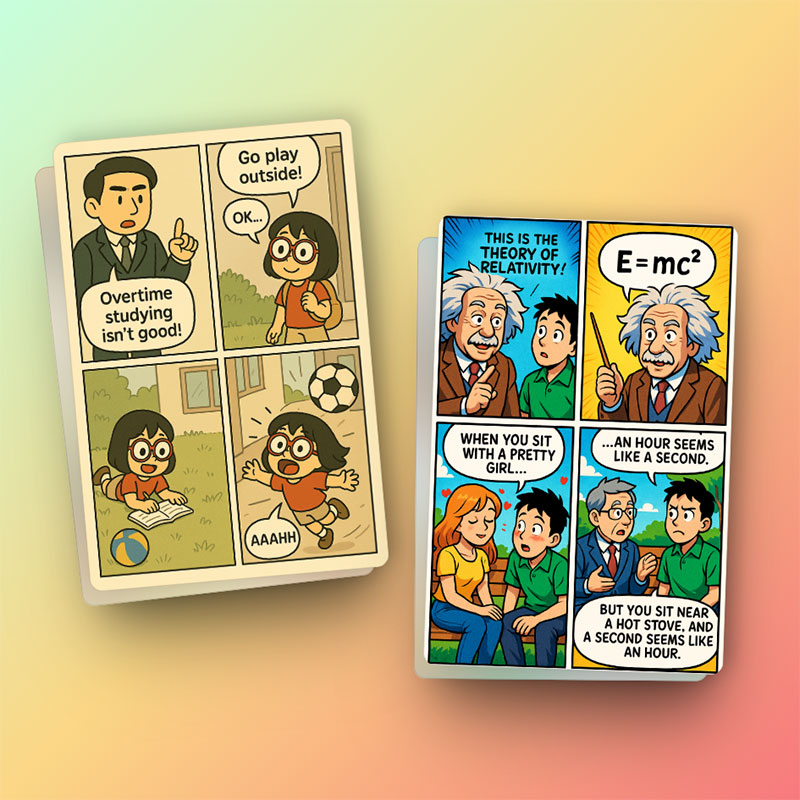
Create nostalgic vintage comics with AI. Features aged paper textures, retro halftone patterns, and classic 1950s aesthetics for a timeless look.
Quick facts
Primary keyword
Compatible formats
Best for
Vintage style AI comics capture the romance and charm of the Golden and Silver Ages of comic books. This style replicates the printing limitations and artistic conventions of the mid-20th century, featuring aged paper textures, visible halftone dots (Ben-Day dots), muted ink colors, and offset printing imperfections. It evokes the feeling of discovering a well-loved comic book in an attic. Perfect for noir detectives, classic romances, pulp fiction adventures, and period pieces, vintage style adds layers of history and nostalgia to your storytelling. It softens the crispness of digital art, replacing it with the warmth of analog media, making your comics feel established, classic, and timeless.
Simulates yellowed, pulpy paper backgrounds with stains, folds, and wear, giving the image a physical, tactile history.
Recreates the classic 'Ben-Day' dot printing technique used in old comics for shading and color mixing, adding authentic retro texture.
Uses desaturated, 'faded' colors to mimic aged ink, or specific 4-color printing palettes (CMYK) typical of the 1950s-70s.
The AI understands period-appropriate clothing, hairstyles, cars, and architecture to ensure historical consistency in the visuals.
Triggers a powerful sense of nostalgia, making it highly effective for connecting emotionally with readers or implying a backstory.
The inherent 'imperfections' and texture hide the robotic clean lines of AI, creating an outcome that feels more human-made and traditional.
Essential for authentically telling stories set in the past, such as WWII dramas, 50s romance, or 60s spy thrillers.
Stands out clearly against modern, high-gloss styles, offering a sophisticated, hipster-friendly visual identity.
Tell stories set in the early to mid-20th century with visuals that look like they were actually produced in that era.
Create marketing materials that mimic classic print ads, perfect for brands with a heritage or craft focus.
Ideal for noir detective stories, jungle adventures, and sci-fi B-movie concepts that pay homage to pulp magazines.
Use vintage style for flashback scenes within a modern comic to clearly distinguish the past from the present.
Keywords like '1950s style', 'Victorian era', or '1970s psychedelic' help the AI choose period-accurate details and colors.
Request 'halftone dots', 'misaligned printing', 'ink bleed', or 'yellowed paper' to enhance the physical comic book illusion.
Help the AI by describing period clothing, e.g., 'fedora hat', 'poodle skirt', 'trench coat', to reinforce the setting.
Prompt for 'sepia tone', 'technicolor', or 'faded pastel' to get the right color grading for the era.
Asking for 'film grain' or 'paper grain' adds texture that breaks up digital smoothness.
Vintage style focuses on the material quality of the medium (paper, ink) unlike the purely visual focus of Cartoon or Realistic styles. It shares the 'retro' appeal of Pixel Art but looks to print history rather than digital history. Compared to modern American Comic style, it is less saturated, less dynamic, and 'flatter', prioritizing mood over action. It is deeper and more textured than Minimalist style.
Yes, requesting 'noir style' or '1940s black and white comic' works beautifully for crime and mystery stories.
Applying vintage style to modern subjects (like smartphones or modern cars) creates a cool anachronistic 'retro-future' or irony effect.
The AI generates imagery. You should choose a vintage comic font (like a messy hand-lettering font) for your dialogue bubbles to match.
Pulp is a subset of vintage, referring to cheap fiction magazines. It features sensational, dramatic covers, bold colors, and action-oriented compositions.